
Leading Foundation Repair Products To Address Common Structural Problems
Find solutions designed to tackle foundation settling, cracking, and shifting with proven repair products.
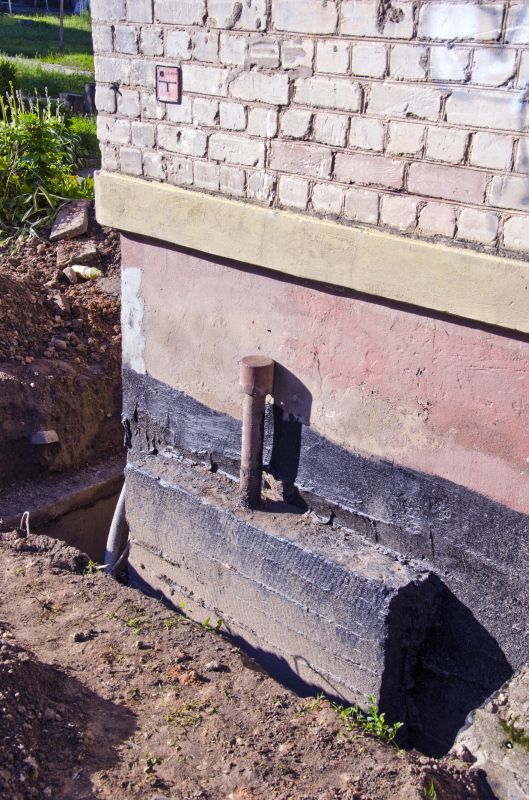 Foundation repairs are a critical aspect of maintaining the structural integrity of a building. When signs of settling, cracking, or shifting appear, it is essential to consider appropriate products that can help stabilize and reinforce the foundation. There are various solutions available, ranging from simple repair kits to complex underpinning systems, each suited to different types of foundation issues and construction types. Proper assessment and selection of the right products can contribute to the longevity and safety of a property.
Top Overall Option
Heavy-Duty Pier and Underpinning System
A versatile and robust solution designed to stabilize and lift sinking foundations. These systems typically involve the installation of steel piers beneath the foundation to transfer the load to more stable soil layers, providing reliable support. They are suitable for a range of foundation types and can be customized to fit specific repair needs. Properly installed, they can help restore foundation alignment and prevent further settling, contributing to the long-term stability of the structure.
Types of Products For Foundation Repairs
Carbon Fiber Wall Reinforcement
Used to reinforce bowing or cracked basement walls, providing additional strength and preventing further movement.
Polyurethane Foam Injection
A quick-sealing solution for small cracks and leaks, expanding to fill gaps and stabilize soil around the foundation.
Steel Push Piers
Installed beneath the foundation to lift and stabilize sinking structures, suitable for deep-set foundations.
Helical Piers
Rotatable and screw into the soil to provide support for settling foundations, adaptable to various soil conditions.
Mudjacking and Slab Jacking
Injects a slurry beneath concrete slabs to lift and level uneven surfaces caused by soil settlement.
Epoxy Injection for Cracks
Fills and seals cracks in concrete and masonry to restore structural integrity and prevent water intrusion.
Soil Stabilization Grouts
Specialized grouts used to improve soil bearing capacity and reduce settlement issues.
Foundation Sealants
Waterproof sealants applied to basement walls and floors to prevent moisture intrusion and further deterioration.
Underpinning Brackets
Support systems that reinforce existing foundations, often used in conjunction with piers or piles.
Drainage Systems
Drainage solutions such as French drains or sump pumps to divert water and reduce soil pressure around the foundation.
Concrete Patching Products
Materials designed for repairing and restoring cracked or damaged concrete surfaces.
Vapor Barriers
Installations to control moisture vapor transmission and prevent basement dampness.
Anchor Bolts and Plates
Reinforce basement walls by anchoring them to the framing or foundation structure.
Expansion Joints
Control joints that accommodate movement in concrete slabs and walls, reducing cracking.
Grouting and Filling Materials
Used to fill voids and stabilize soil or foundation elements during repairs.
Popular Choices
Comprehensive kits for reinforcing bowing or cracked basement walls with fiber or steel supports.
DIY-friendly solutions for sealing cracks in concrete slabs and walls to prevent water intrusion.
Hydraulically driven piers designed to lift and stabilize sinking foundations, often used in residential repairs.
Injectable grout options to improve soil bearing capacity and reduce settlement risks.
Sealants formulated to waterproof basement walls and floors, reducing moisture issues.
Versatile foam injections for sealing leaks and filling voids beneath slabs or around foundation cracks.
Support systems installed beneath the foundation to provide stabilization and support for settling structures.
Structural crack repair solutions that restore concrete integrity and prevent water ingress.
Drainage solutions that help redirect water away from foundations to reduce hydrostatic pressure.
Support brackets that reinforce existing foundations and help prevent further movement.
Materials designed to control moisture vapor transmission and improve basement conditions.
Injectable slurry to lift and level uneven concrete slabs caused by soil movement.
Understanding the specific needs of a foundation problem is vital before choosing repair products. Factors such as soil type, extent of damage, and the foundation's design influence the most suitable options. Many repair products are designed to address common issues like basement wall bowing, concrete cracking, or uneven settling. It is recommended to consult with a foundation specialist to determine the most appropriate approach for your situation.
Foundation repair products are engineered to provide stability and support, often involving materials that can withstand significant pressure and environmental conditions. Installation methods vary, with some products requiring professional expertise, while others are designed for DIY use. Regardless of the choice, safety and quality should be prioritized to ensure long-term effectiveness. Regular monitoring after installation can help detect any further movement or issues, allowing for timely maintenance.
Investing in the right foundation repair products can help mitigate further damage and preserve the value of your property. Whether dealing with minor cracks or major shifts, selecting products that match the specific needs of your foundation is crucial. Proper application and ongoing assessment are key components in maintaining a safe and stable structure over time.
Key Buying Considerations
- Assess the extent and type of foundation damage to select appropriate products.
- Consider soil conditions and environmental factors that may influence repair choices.
- Determine whether professional installation is recommended or if DIY options are suitable.
- Check product compatibility with existing foundation materials such as concrete, masonry, or wood.
- Evaluate the load-bearing capacity and support strength of the repair system.
- Look for products with proven durability and resistance to environmental stressors.
- Consider ease of installation, especially if planning a DIY repair project.
- Review warranty and manufacturer support for the products being considered.
- Ensure that the repair products meet local building codes and standards.
- Plan for ongoing monitoring and maintenance after installation to ensure effectiveness.
- Factor in the cost of materials and potential labor expenses for professional installation.
- Verify that products are suitable for the specific foundation type—basement, crawl space, slab, etc.
- Consider the potential need for complementary products such as drainage or moisture barriers.
- Research customer reviews and expert opinions to gauge product performance.
- Prioritize products from reputable suppliers with a track record in foundation repair.